Maine Writer

Its about people and issues I care about.

My Photo
Name:
Location: Topsham, MAINE, United States

My blogs are dedicated to the issues I care about. Thank you to all who take the time to read something I've written.

Sunday, November 17, 2024

Robert F. Kennedy Jr. is incompetent and his dangerous HHS appointment will make America sick again

Robert F. Kennedy Jr. to lead the Health and Human Services Department will make America sick again.😰

Echo opinion published in The New York Times by Zeynep Tufekci

How Robert F. Kennedy Jr. Could Destroy One of Civilization’s Best Achievements- our Public Health.

Even among the chaos generated by Donald Trump’s recent cabinet picks, one stands out for the extensive suffering and lasting institutional damage it may cause: his choice of Robert F. Kennedy Jr. to lead the Health and Human Services Department.

Modern public health is one of civilization’s great achievements. In 1900, up to 30 percent of infants in some U.S. cities never made it to their first birthday. Since that time, vaccines, sanitation and effective medications have eliminated many previously commonplace illnesses and consigned others to extreme rarity. It’s easy to take much of that for granted, especially as those days have receded from living memory, but those achievements are fragile and can be lost.
The danger isn’t merely that Kennedy — who has almost no experience in government or large-scale administration, and who has shown a sometimes breathtakingly loose connection to the truth — would be incompetent or misleading. At the helm of a department with over 80,000 employees and a $3 trillion budget, one that oversees key agencies such as the Centers for Disease Control and Prevention, the Food and Drug Administration and the National Institutes of Health, he would have control over the nation’s medicines, food safety, vaccines and medical research. With that power he could inflict significant harm to the public health system — and to the public trust that would be needed to rebuild it once he’s gone.

Kennedy has brought attention to some worthwhile public health concerns, such as the downsides of ultraprocessed foods and the value of exercise. But beyond those reasonable issues, he has filled the internet and the airwaves with views on vaccines, food safety, medicines and supplements that are a mix of grave misrepresentations and far-fetched conspiracies.

Outside of the medical community, few people still know about all the diseases whose safe and effective vaccines he is lying about, so let me remind you about one of them: diphtheria. Once known as “the strangling angel of children,” it causes its young victims to slowly and painfully suffocate, turn blue and gasp as a thick film fills their throat. They lie dying for many agonizing days. The disease has been all but wiped out, but in Spain a few years ago, it cost the life of an unvaccinated boy of 6. His distraught antivax parents promptly vaccinated their surviving child.

Kennedy doesn’t mention those gruesome realities. The core of his method is to mislead and confuse with selective citations that overlook key, even overwhelming evidence. He has falsely suggested that AIDS isn’t caused by H.I.V. With no evidence, he once mused that Covid was deliberately made to target Black and Caucasian people, while ensuring that “the people who are most immune are Ashkenazi Jews and Chinese.” When he was called out for trafficking in racist, antisemitic tropes, he walked the claim back, but only a little.

And throughout it all, he has pursued a course of relentless self-promotion, the consequences be damned. After an incorrect preparation of the M.M.R. vaccine killed two infants in Samoa, Kennedy jumped on the tragedy, spreading misleading information about it on social media.

Over the previous year, vaccination rates on the island had plummeted to less than 30 percent, a decline that has been attributed to vocal antivaccine groups. By the next year, a measles outbreak resulted in about 5,700 cases and more than 80 deaths, mostly among children under 5. It was then that Kennedy traveled to Samoa to meet with some of those activists, after having loudly cast doubt on the M.M.R. vaccine’s efficacy. The outbreak was halted only after the government declared a curfew, with desperate parents instructed to fly a red flag in front of their homes to alert mobile vaccine crews that their children needed shots.

As the head of Health and Human Services, a position that has, as one former secretary, Alex Azar, put it, “a shocking amount of power by the stroke of a pen,” Kennedy could go far beyond making false claims. For example, he could attempt to stop N.I.H. research on infectious diseases, as he recently vowed to do, or take actions that would make vaccines less available and lower their uptake.

And the victims wouldn’t just be children in families that consciously opt out. Many vaccines aren’t available for any children before the age of 6 months, and it takes years to complete the full schedule to get robust protection. That means infants and young kids are extremely vulnerable, as are immunocompromised people, cancer patients and the elderly. 

Globally, childhood vaccination rates have already stalled, and any further decline could mean outbreaks start happening much more widely.

All of that is bad enough under the best of times. But what if another pandemic rolls around? Here’s what Kennedy has to say about Covid vaccines, the greatest achievement of Trump’s first term: The “powerful vaccine cartel,” which he described as being led by Dr. Anthony Fauci and Bill Gates, worked “to prolong the pandemic and amplify its mortal effects” and “led an effort to deliberately derail America’s access to lifesaving drugs and medicines” such as ivermectin and hydroxychloroquine in favor of their nefarious vaccine project. In fact, both those medications were subjected to rigorous research, and proved to be ineffective against Covid.

If pandemics sound like yesterday’s news, the H5N1 outbreak among the nation’s dairy cattle continues to rage, as does the avian flu version ravaging birds everywhere. And there are strong signs that many human infections are going undetected.

Yet, Kennedy has been a vigorous proponent of raw milk, which unlike pasteurized milk has been shown to carry extremely high levels of the virus.

As for the legitimate public health issues that many people feel grateful to him for shining a light on, Republican senators could surely reject Kennedy and pressure Trump to find someone else to raise those issues, someone who won’t take a wrecking ball to the precious public health system that protects the nation’s children. Besides, someone who doesn’t respect scientific evidence and can’t tell quackery from credible suspicion isn’t likely to be that much help on those topics.

The COVID pandemic left a lot of people outraged, and some of their anger is justified. The tendency of many Democrats and some public health authorities to circle the wagons and issue blanket denials made things only worse.

We still need a fair reckoning of what went right and what very much did not. But it hasn’t come. Instead, public anger has been stoked, misdirected and exploited by those who seem less interested in solutions than in burning it all down.

Some Republican senators may be tempted to approve Kennedy’s nomination simply because they, too, are angry, or think that some agencies are overdue for a good shake-up.

That would be a grave mistake.

Labels: , , , , , , ,

Tuesday, October 02, 2018

Immunization protection against infectious diseases: A Wisconsin perspective

Immunizations are as important today as ever before!  Opinion echoed in stereo by me as a Registered Nurse.  This opinion was published in the Sheboygan Press Wisconsin newspaper 

Immunizations against infectious diseases and being immunized today are just as important as it when vaccines were introduced, because vaccine preventable diseases have not gone away. 


Although the U.S. has a very low rate of vaccine preventable diseases, this is not true throughout the rest of the world. Only one disease, smallpox, has been totally erased from the planet. Polio no longer occurs in the U.S., but it is still paralyzing children in other countries.

In 2000, measles was declared eliminated in the U.S. However, some families began declining to vaccinate their children against measles. This made them at risk to getting the disease when exposed to others. Measles can spread easily to other people. Unvaccinated people traveling to foreign countries can bring back disease to their own communities. In 2011, 90 percent of the measles cases in the U.S. were linked to cases imported from another country. The fact that most Americans are immunized against measles is the only thing that prevented these cases from becoming epidemics.

Whooping cough

Pertussis, also known as whooping cough, continues to be present in Sheboygan County. In 2014, 33 reports of whooping cough were investigated. Newborns and young children are the most at risk for severe illness and hospitalization if they get whooping cough, as their airways are small and their immune systems not mature. Newborns do get protective immunity if their mothers get the Tdap vaccine during the third trimester of their pregnancy. This immunity will carry on until they are able to get their own vaccines. Adults who care for these young children and grandchildren can give protection by also getting the adult whooping cough vaccine.


Immunizing people will help to protect the health of our community, especially those people who cannot be immunized (children who are too young to be vaccinated, or those who can't get certain vaccines for a medical reason), and the small proportion of people who don't respond to a certain vaccine.

Safety

Vaccines are made with the highest standard of safety. The U.S. now has the safest, most effective vaccine supply in history. Years of testing are required before a vaccine can be licensed. Once in use, vaccines are continually checked for safety and effectiveness. Still, like any medication, vaccines can cause reactions like fever, redness or aches at the site of injection.

Before getting vaccines, families get information from many sources. It is important to remember that not all information found on the Internet is accurate or science-based. Talking with their health care providers about any questions and concerns is helpful to address their individual needs. Other sources of accurate information are the American Academy of Pediatrics, the American Academy of Family Physicians and the CDC (Centers for Disease Control). These resources focus on research about the safety and effectiveness of the vaccines.

Health care providers in Sheboygan County (Wisconsin) are committed to quality care by providing families with factual information regarding immunizations. 


In fact, the only way to end vaccine preventable disease is to vaccinate children and adults.

Joyce Osieczanek and Cindy Vander Weele are co-chairs of the Sheboygan County Immunization Coalition. The coalition's mission is to establish a network of health care partners who share the common interest of identifying ways to remove barriers to receiving vaccines and to increase the immunization levels of children and adults in Sheboygan County, Wisconsin.

Labels: , ,

Sunday, June 10, 2018

Suicide ~ celebrity clusters draw attention to mental health care

As suicides increase, we must expand mental health treatment

By Debra L. Wentz

Suicide rates in the United States have risen nearly 30% since 1999

(MaineWriter ~ it's time to recognize mental health as a treatable disease just like any other physical or infectious illness.  Therefore, all health insurance companies should provide coverage for mental health care and its pre-existing conditions.)

Two well-known figures, fashion designer Kate Spade and food critic/travel writer Anthony Bourdain, have died by suicide. 

These tragedies occurred soon after the Centers for Disease Control and Prevention reported that suicide rates have increased steadily in nearly every state and in most age and ethnic groups from 1999 to 2016, resulting in an overall national increase of 25 percent.

People who are not familiar with depression would readily say, "I don't understand. These people had fame, fortune and good looks and they traveled widely. Why were they unhappy?" This speaks to the misunderstanding of mental illnesses. Quite often, suicide is linked to depression -- not uniquely, but in most cases. Suicide is also prevalent among individuals with bipolar disorder, schizophrenia or addiction to alcohol, other drugs or gambling.

This is not the first time a well-known figure died by suicide. Actor Robin Williams died in 2014, and singers/musicians Chester Bennington and Chris Cornell took their lives last year. The deaths that occurred this week are not copycat incidents and they were not done to have a dramatic impact. 

They are related to mental illnesses, which are real illnesses.
Suicide tends to attract people's attention when it happens to someone who is famous and visible in the media. 

Yet, the reality is that suicide risk is present in all racial, ethnic, socioeconomic and other groups. No one is immune.

The increasing suicide rates occurred as rates of diagnosis and treatment of mental illnesses have also grown over the past 10 years, demonstrating that there is no foolproof plan. This is also true of physical illnesses. For example, an individual with heart disease who is compliant with treatment and recommended dietary changes can still experience a fatal heart-related incident. However, treatment greatly increases the chances of recovery -- whether the illness is heart disease, another chronic physical health condition or a mental illness.

Kate Spade was in treatment and struggled with depression for a long time before her tragic death. However, 60 percent of individuals with mental illnesses do not receive treatment, due to stigma, lack of health insurance, lack of qualified providers and other factors.

Mental illnesses are chronic, and early diagnosis and intervention are highly effective. More education is needed to build an understanding of mental illnesses and the willingness to seek treatment when needed.

Mental illnesses are disorders that affect individuals' mood, thinking and behavior. Types of mental illness include depression, post-traumatic stress and other anxiety disorders, schizophrenia, eating disorders and addictive behaviors. Factors involved with mental illnesses that can increase risk of suicide, especially when these illnesses are not treated, are social isolation, drug and alcohol abuse, and other risky behaviors. Treatment and development of coping skills are essential.
The Fashion designer Kate Spade ~ body is removed by New York City Coroner's Office, after she was found dead at age 55 at her Park Avenue apartment on June 5, 2018 in New York. Spade, one of the biggest names in American fashion, was found dead Tuesday in New York after committing suicide, police said. (Bryan R. Smith| AFP/Getty Images)

Open discussion about mental illnesses and suicide must continue, and not take place only when the suicide death of a celebrity occurs. However, celebrities who are coping with mental illnesses are contributing greatly to these needed conversations. Singers Lady Gaga and Demi Lovato; actors Jared Padalecki, Ryan Reynolds, Dwayne Johnson and Selena Gomez; and Princes William and Harry are recent examples.

Education needs to be ongoing and access to mental health and substance use services needs to be expanded.

Debra L. Wentz is president and CEO of New Jersey Association of Mental Health and Addiction Agencies Inc., a statewide trade association representing nearly 160 organizations that serve New Jersey residents with mental illness and/or substance use disorders, and their families.

Labels: , , ,

Thursday, December 01, 2016

Baltimore HIV incidence: reverse this infectious stigma

When I worked in Baltimore at Johns Hopkins Hospital, a few decades ago, the public health initiatives were in the area of sexually transmitted diseases, particularly how to diagnose and treat syphilis. Now, the urgency is to identify all the sexually transmitted diseases ie, STD's including reported HIV infections. HIV is a STD but also spreads through shared needle use by people addicted to illegal drugs.
Related image
Baltimore is a city and metropolitan area with public health and community resources to treat and eliminate all sexually transmitted diseases- including HIV.

Although HIV is slowly declining, the trend in Baltimore remains in the highest among metropolitan areas. This stigma can be reversed!

Frankly, I don't understand how Baltimore finds itself the focus, again, of HIV and STD epidemics. Speaking from first hand nursing provider experience, Baltimore has the money and certainly the specialists with extraordinary expertise to reverse this reputation as a place where STD's "grow". 

In my opinion, given the resources at Baltimore City's disposal, the city should be a showcase of places where HIV is treated and eliminated.  

It's impossible for me to accept that the continued incidence of HIV in Baltimore is anything other than a lack of public policy and health care providers' willingness to treat and solve this problem.

Here's an article describing the problem:
Where Baltimore Region Ranks in New HIV Cases

Reported cases and rate of new HIV diagnosis
By Greg Hambrick (Patch National Staff) - December 1, 2016 2:52 pm ET


Baltimore metro area continues to have one of the highest rats of infection, according to figures released this week by the Centers for Disease Control (CDC).

Baltimore ranks 10th among metro areas when comparing new HIV cases, with a rate of 22.1 new diagnoses for every 100,000 residents. That's far higher than the national rate of 12.3. The Baltimore metro area includes cities and communities in and around Anne Arundel, Baltimore, Carroll, Harford, Howard and Queen Anne's counties.

There were 618 new HIV cases reported in the Baltimore metro area in 2015, down slightly from 678 a year earlier. Across Maryland, there were 1,348 new diagnoses of HIV in 2015 — a rate of 22.4 cases for every 100,000 residents. In total, 32,000 Marylanders are living with HIV.

The data comes from the federal "HIV Surveillance Report," with the number of new cases and overall infection rates collected nationwide. The CDC notes that the latest data compiled for 2015 is preliminary and may not include some delayed reports. Final 2015 numbers will be released next year.

Across the U.S., new HIV cases continues to decline, down to 39,513 in 2015, compared to more than 49,000 in 2008. Sixteen states saw an increase in the rate of new diagnoses in 2015. Louisiana saw a significant drop in new diagnoses but still had the highest rate — slightly ahead of Florida with 24.2 new cases for every 100,000 residents.

Dec. 1, 2016, is World Aids Day, an annual international effort to increases awareness about safe practices that prevent HIV infection and how to support those with the disease. AIDS.gov provides a national locator for health centers that provide HIV testing.

The highest rate of HIV diagnosis among metropolitan areas is in Miami. The metro area — which includes Fort Lauderdale and West Palm Beach — had a rate of nearly 39 new HIV cases for every 100,000 residents. Along with Miami, other metro areas with a higher rate of infection include Louisiana's Baton Rouge and New Orleans, followed by Jackson, Mississippi, and Atlanta.

HIV and AIDS cases are generally concentrated in urban areas and, therefore, in states with large metropolitan regions. 

But in the South, larger percentages of diagnoses are in smaller metro areas and suburban and rural areas, according to the CDC.

Here are the 30 metro areas that had the highest rate of new HIV cases in 2015 (the rate is per 100,000 residents):

Miami–Fort Lauderdale–West Palm Beach, FL: 38.8
Baton Rouge, LA: 32.0
New Orleans–Metairie, LA: 31.9
Jackson, MS: 31.3
Atlanta–Sandy Springs–Roswell, GA: 25.8
Orlando–Kissimmee–Sanford, FL: 25.7
Louisville/Jefferson County, KY–IN: 24.5
Memphis, TN–MS–AR: 23.1
Jacksonville, FL: 22.7
Baltimore–Columbia–Towson, MD: 22.1
Houston–The Woodlands–Sugar Land, TX: 22.1
Washington–Arlington–Alexandria, DC–VA–MD–WV: 21.5
Columbia, SC: 21.1
Las Vegas–Henderson–Paradise, NV: 20.9
Tampa–St. Petersburg–Clearwater, FL: 20.1
Augusta–Richmond County, GA–SC: 18.6
Dallas–Fort Worth–Arlington, TX: 18.0 17
New York–Newark–Jersey City, NY–NJ–PA: 17.8
Richmond, VA: 17.7 19
Greensboro–High Point, NC: 17.3 20
San Juan–Carolina–Caguas, PR: 17.0 21
Austin–Round Rock, TX: 16.8 22
Virginia Beach–Norfolk–Newport News, VA–NC: 16.6 23
Lakeland–Winter Haven, FL: 16.6
Charlotte–Concord–Gastonia, NC–SC: 16.5
Los Angeles–Long Beach–Anaheim, CA: 16.5
San Antonio–New Braunfels, TX: 16.2
Little Rock–North Little Rock–Conway, AR: 16.0
Durham–Chapel Hill, NC: 15.7
Charleston–North Charleston, SC: 15.7

Drug Use and HIV Diagnosis

Also this week, federal officials expressed concern about infections among drug users who inject heroin and other narcotics. HIV cases among minorities injecting drugs dropped by 50 percent between 2008 and 2014, but new infections among white injected drug users dropped by only 28 percent.

One possible cause may be the continued use of shared needles among white drug users, according to the CDC report. It also notes that the rate of injected drug use has increased dramatically among whites — up 114 percent in recent years.

The new data was shared in an effort to support Syringe Services Programs that can provide clean needles, along with services that include substance abuse counseling, disease testing and overdose response training.

Labels: , ,

Tuesday, November 08, 2016

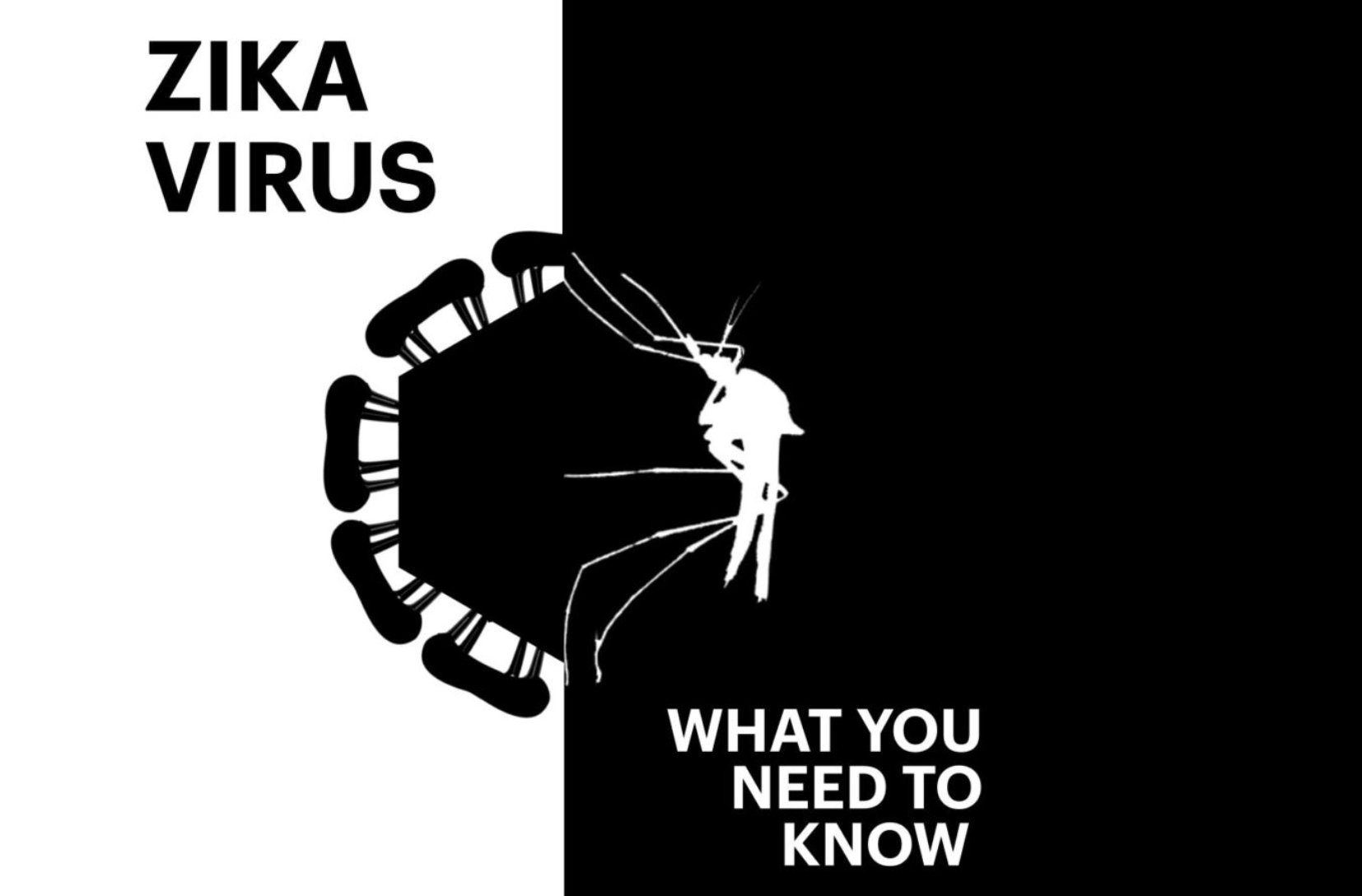
Zika Virus - US Congress must fund prevention progress

Sadly, the the Zika virus is spreading while the US Congress has obstructed additional funding to support progress for fighting this mosquito carried infection.  

Check out this "Mosquito Squad" newsletter at this link for current information about the Zika virus.

Now the Centers for Disease Control (CDC) and Prevention is releasing the Zika data:

Infection Control & Clinical Quality- a newsletter report

2 more US infants born with Zika-related birth defects; 1,000+ pregnant women infected
Written by Heather Punke November 04, 2016 

Twenty-five babies in the U.S. were born with Zika-related birth defects, according to the CDC's most recent update, up from 23 the week prior.

The U.S. will likely encounter more Zika-affected babies in the weeks to come, as 1,005 pregnant women have lab evidence of possible Zika virus infection, the CDC reported this week, up from 953 in the update prior.

Zika can cause microcephaly and several other developmental problems in babies born to women infected with the virus while pregnant.

Microcephaly is a birth defect where a baby’s head is smaller than expected when compared to babies of the same sex and age. 

Babies with microcephaly often have smaller brains that might not have developed properly.

Some hospitals are preparing to respond to this onslaught of babies who will need support — in Miami, Jackson Memorial Hospital and the University of Miami launched a Zika response unit with pediatricians, infectious disease specialists and other experts to monitor babies affected by Zika as they age.

There are 4,128 Zika infections total in the U.S. states, 139 of which were acquired locally by mosquitoes in Florida, the only state with active Zika transmission via the insects. Thirty-four of the cases were sexually transmitted.

In fact, the CDC announced the availability of $70 million in additional monies for states, cities and territories to support efforts to protect Americans from Zika.

The funds are being distributed to applicants through the CDC's Epidemiology and Laboratory Capacity for Infectious Diseases Cooperative Agreement. 

Funding disbursement will be determined based on factors such as Zika disease burden, local Zika virus transmission and the presence of Aedes mosquitoes that carry the virus.

"The funding ... will further support activities to protect the health of Americans, especially pregnant women, including epidemiologic surveillance and investigation, improving mosquito control and monitoring, and strengthening laboratory capacity. Funding also will support participation in the U.S. Zika Pregnancy Registry to monitor pregnant women with Zika and their infants," said the CDC in a release.

Unfortunately, in my opinion, this request for proposal funding (RFP) is too bureaucratic to meet the urgent need. Congress must do more to fund Zika prevention and this means making money available, without putting bureaucratic and competitive processes in place prior to approving funding requirements. Hiring more monitors, like public health surveyors, would be a good first step. This could be a person with the qualifications to educate communities at risk as well as to identify where help is urgently needed. Additionally, all pharmaceutical companies should provide pregnant women with free mosquito prevention information packets and protective insect repellents. Although these are small steps, they will build awareness by applying diligent surveillance to at risk populations. Moreover, offering free prevention tools are not expensive. Indeed, preventing even one Zika infection will have the effect of potentially benefiting an entire family, for generations.  

Our US Congress must respond with funding to prevent Zika infections,before even more innocent babies are born with virus related anomalies.

Labels: ,

Monday, September 14, 2015

Bubonic Plaque organisms are extremely dangerous

Obviously, there's no reason for the public to sound an infectious disease alarm about the recent cluster of bubonic plague infections reported in some US western states. Nevertheless, the incidence of the infectious plague has spread. 


Now, a plague case was reported in Michigan. In fact, however,the infected patient recently traveled to Colorado, where plague has been reported. In other words, unfortunately, the bubonic plague has now spread beyond the cluster of infections reported in a few US western states.


(Bubonic Plague is one of three types of bacterial infection caused by Yersinia pestis.[1] Three to seven days after exposure to the bacteria flu like symptoms develop. This includes fever, headaches, and vomiting.[1] Swollen and painful lymph nodes occur in the area closest to where the bacteria entered the skin.[2] Occasionally the swollen lymph nodes may break open.[1]
The three types of plague are the result of the route of infection: bubonic plague, septicemic plague, and pneumonic plague. Bubonic plague is mainly spread by infected fleas from small animals.[1] It may also result from exposure to the body fluids from a dead plague infected animal.[3] In the bubonic form of plague, the bacteria enter through the skin through a flea bite and travels via the lymphatics to a lymph node, causing it to swell. Diagnosis is by finding the bacterium in the blood, sputum, or fluid from a lymph nodes.[1]Prevention is through public health measures such as not handling dead animals in areas where plague is common. Vaccines have not been found to be very useful for plague prevention.[1] Several antibiotics are effective for treatment including streptomycin, gentamicin, or doxycycline.[4][5] Without treatment it results in the death of 30% to 90% of those infected.[1][4] Death if it occurs is typically within ten days.[6] With treatment the risk of death is around 10%.[4] Globally in 2013 there was about 750 documented cases which resulted in 126 deaths.[1] The disease is most common in Africa.[1]


Although bubonic plague can be treated, the infectious bacteria that causes the potentially deadly infection has the ability to travel. Routinely, the human immune systems cannot identify their structure. Therefore, the immune system that has no way to identify the bacteria, cannot effectively fight them.


No magic solutions or cures are available to cure dangerous super bugs. Nevertheless, the panic resulting from potentially mortal diseases can cause collateral damage. For example, people will naturally seek out causes for the infectious disease outbreaks and might lead to conspiracy theories about the root causes. (Often, outsiders and immigrants are blamed, even when there is no evidence of cause and effect.)


It's time the Centers for Disease Control (CDC) receives all the resources necessary to fight infectious diseases. 


Otherwise, one of these days, a bubonic plague bacteria of unknown origin will inevitably take us by complete surprise. Prevention is far less expensive than treating a preventable pandemic. Understanding, and responding to the root causes of dangerous organisms, like bubonic plague, are essential public health expenditures. Treating the root causes of public health emergencies are as urgent as any defense spending or supporting safety net social welfare programs. 


Let's leave humanity the legacy of a healthy world, free of preventable infectious diseases, because we can.

Labels:

Friday, October 03, 2014

U.S. Nurses say hospitals are not prepared to handle an outbreak of the Ebola virus

Could Ebola be President Obama's equivalent of hurricane Katrina?

While the Center for Disease Control (CDC) tells the American public not to worry about an outbreak of the deadly Ebola virus, nurses are reporting how the hospitals where they work are not prepared to handle an cluster of cases. In other words, public health officials are certainly not communicating with the providers who are expected to care for an Ebola outbreak. This communication disconnect is eerily similar to how President George W. Bush responded when he tried to make the hurricane Katrina outcome seem to be okay when, in fact, it was a humanitarian crises.  

It's clear that the U.S. health care system will need the resources of a medical equivilent of the Federal Emergency Management Agency (FEMA) to pay for the cost of an Ebola outbreak. 

Of course, proven public health measures, like isolation, patient monitoring with early diagnosis and treatment will absolutely prevent the spread of Ebola in the U.S., but the cost of this response has yet to be calculated. In other words, hospitals justifiably want and need to know, "who will pay"? 

From Medscape Multispecialty report:

CHICAGO (Reuters) - Nurses, who are the frontline care providers in U.S. hospitals, say they're untrained and unprepared to handle patients arriving in their hospital emergency departments infected with Ebola.

Many say they have gone to hospital managers, seeking training on how to best care for patients and protect themselves and their families from contracting the deadly disease, which has so far killed at least 3,338 people in the deadliest outbreak on record.

The U.S. Centers for Disease Control and Prevention has repeatedly said that U.S. hospitals are prepared to handle such patients. Many infectious disease experts agree with that assessment.

Although Dr. Edward Goodman, an infectious disease doctor at Texas Health Presbyterian Hospital in Dallas that is now caring for the first Ebola patient to be diagnosed in this country, believed his hospital was ready, it turns out he was wrong.

The hospital had completed Ebola training just before Thomas Eric Duncan arrived in their emergency department on Sept. 26. But despite being told that Duncan had recently traveled from Liberia, hospital staff failed to recognize the Ebola risk and sent him home, where he spent another two days becoming sicker and more infectious.

The Texas case is a perfect example," said Micker Samios, a triage nurse in the emergency department at Medstar Washington Hospital Center, the largest hospital in the nation's capital.

"In addition to not being prepared, there was a flaw in diagnostics as well as communication," Samios said.

Nurses argue that inadequate preparation could increase the chances of spreading Ebola if hospital staff fail to recognize a patient coming through their doors, or if personnel are not informed about how to properly protect themselves.


At Medstar, the issue of Ebola training came up at the bargaining table during contract negotiations.

"A lot of staff feel they aren't adequately trained," said Samios, whose job is to greet patients in the emergency department and do an initial assessment of their condition.

So Young Pak, a spokeswoman for the hospital, said it has been rolling out training since July "in the Emergency Department and elsewhere, and communicating regularly with physicians, nurses and others throughout the hospital."

Samios said she and other members of the emergency department staff were trained just last week on procedures to care for and recognize an Ebola patient, but not everyone was present for the training, and none of the other nursing or support staff were trained.

"When an Ebola patient is admitted or goes to the intensive care unit, those nurses, those tech service associates are not trained," she said. "The X-ray tech who comes into the room to do the portable chest X-ray is not trained. The transporter who pushes the stretcher is not trained.

"If an Ebola patient becomes sick while being transported, "How do you clean the elevator?"

Nurses at hospitals across the country are asking similar questions.

A survey by National Nurses United of some 400 nurses in more than 200 hospitals in 25 states found that more than half (60%) said their hospital is not prepared to handle patients with Ebola, and more than 80% said their hospital has not communicated to them any policy regarding potential admission of patients infected by Ebola.

Another 30% said their hospital has insufficient supplies of eye protection and fluid-resistant gowns.

"If there are protocols in place, the nurses are not hearing them and the nurses are the ones who are exposed," said RoseAnn DeMoro, executive director of National Nurses United, which serves as both a union and a professional association for U.S. nurses.

Unlike influenza or the common cold, which can be spread by coughing and sneezing. Ebola is only spread by contact with bodily fluids from someone who is actively sick. That means, the risk to the average person is low, but for healthcare workers, the risk is much higher.

As of Aug. 25, more than 240 healthcare workers have developed the disease in Guinea, Liberia, Nigeria, and Sierra Leone, and more than 120 have died, according to the World Health Organization.

Many of these infections occurred when healthcare workers were removing the personal protective gear - masks, gowns, gloves or full hazmat suits used to care for the patients, said biosafety experts.

Sean Kaufman, president of Behavioral-Based Improvement Solutions, an Atlanta-based biosafety firm, helped coach nurses at Emory University through the process of putting on and taking off personal protective equipment (PPE) while they were caring for two U.S. aid workers flown to Atlanta after becoming infected with Ebola in West Africa. Kaufman became known as "Papa Smurf" to the Emory nurses because of the blue hazmat suits he and others wore that resembled the cartoon character.

"Our healthcare workforce goes through so many pairs of gloves that they really don't focus on how they remove gloves. The putting on and the taking off doesn't occur with enough attention to protect themselves," he said.

Nurses say hospitals have not thought through the logistics of caring for Ebola patients.

"People say they are ready, but then when you ask them what do you actually have in place, nobody is really answering that," said Karen Higgins, a registered nurse at Boston Medical Center.

Higgins, an intensive care unit (ICU) nurse, said hospital officials have been teaching nurses on one of the regular floors how to care for an Ebola patient.

"I said, well, that's great, but if the patient requires an ICU, what is your plan," she said. "They looked at me blankly."

Labels: , , ,