


Success of vaccines curbing COVID-19 is dependent on how many Americans are vaccinated
Opinion Echo published in the Cincinnati Enquirer Cincinnati.com, newspaper: Vaccines don't stop pandemics, vaccinations do
Nicholas J. Vehr - Opinion contributor
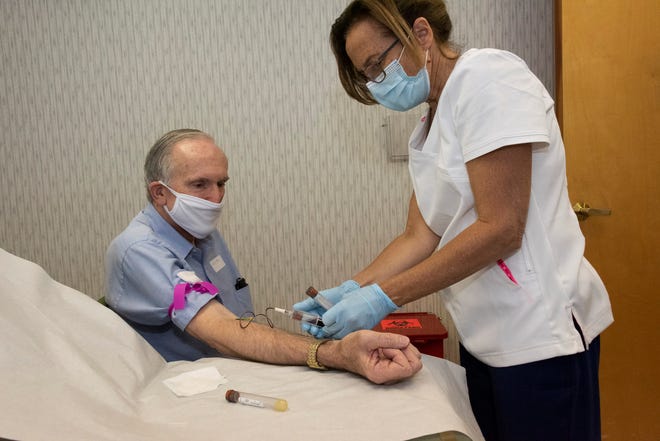
We all know that mask wearing, hand washing, social distancing, avoiding crowds and more are vitally important preventative steps in slowing the spread of COVID-19. We also know these important steps won’t stop the pandemic. They can only slow it down so health care services are not overwhelmed.
COVID-19 vaccines are just around the corner and arriving faster than any pandemic vaccines in history.
Nicholas J. Vehr - Opinion contributor
We all know that mask wearing, hand washing, social distancing, avoiding crowds and more are vitally important preventative steps in slowing the spread of COVID-19. We also know these important steps won’t stop the pandemic. They can only slow it down so health care services are not overwhelmed.
COVID-19 vaccines are just around the corner and arriving faster than any pandemic vaccines in history.
Recent good news from Pfizer, Moderna and AstraZeneca have many of us encouraged and hopeful.
Yet, vaccine hesitancy is much too high. According to a news release from the COVID Collaborative, only one-third (34%) of Americans say they will definitely get vaccinated, while 86% say they believe that a vaccine will effectively curb the virus, a gap of 52%.
In the Black and Latinx communities, which have been disproportionately impacted by the virus, this survey indicated that only 14% of Black Americans and 34% of Latinx Americans have trust in vaccine safety.
There is a trust gap. Until it is bridged, vaccine efficacy will be limited, this pandemic will lumber along and thousands more will die.
The success of vaccines curbing COVID-19 is dependent on how many Americans are vaccinated; vaccines don’t stop pandemics, vaccinations do. Most experts project vaccines will be available for the majority of Americans in late spring and summer of 2020. Much smaller, high-risk or high-exposure subsectors of Americans will have access much sooner.
With the obvious trust gap, strategic, creative and ubiquitous communications are critical. These communications must build trust by educating and informing the right people, through the right channels at the right time and encourage the right action … get vaccinated!
Vehr Communications’ partner from Spokane (WA), DH Communications, shares these important three phases for strategic communications to build trust and effectiveness of COVID-19 vaccinations.
Transition: Pacing content
For those organizations communicating about COVID-19, now is the time to start talking generally about vaccination safety and effectiveness. As winter turns to spring, you’ll be more of a trusted resource as specific information about specific vaccines becomes available.
It is important to keep reinforcing prevention communications (masks, social distancing, washing hands, small groups, etc.) at the same time. Remember, it will be months before vaccines are available to the general public.
Science: How to message
While it sounds dramatic, it’s true: This is life and death.
Yet, vaccine hesitancy is much too high. According to a news release from the COVID Collaborative, only one-third (34%) of Americans say they will definitely get vaccinated, while 86% say they believe that a vaccine will effectively curb the virus, a gap of 52%.
In the Black and Latinx communities, which have been disproportionately impacted by the virus, this survey indicated that only 14% of Black Americans and 34% of Latinx Americans have trust in vaccine safety.
There is a trust gap. Until it is bridged, vaccine efficacy will be limited, this pandemic will lumber along and thousands more will die.
The success of vaccines curbing COVID-19 is dependent on how many Americans are vaccinated; vaccines don’t stop pandemics, vaccinations do. Most experts project vaccines will be available for the majority of Americans in late spring and summer of 2020. Much smaller, high-risk or high-exposure subsectors of Americans will have access much sooner.
With the obvious trust gap, strategic, creative and ubiquitous communications are critical. These communications must build trust by educating and informing the right people, through the right channels at the right time and encourage the right action … get vaccinated!
Vehr Communications’ partner from Spokane (WA), DH Communications, shares these important three phases for strategic communications to build trust and effectiveness of COVID-19 vaccinations.
Transition: Pacing content
For those organizations communicating about COVID-19, now is the time to start talking generally about vaccination safety and effectiveness. As winter turns to spring, you’ll be more of a trusted resource as specific information about specific vaccines becomes available.
It is important to keep reinforcing prevention communications (masks, social distancing, washing hands, small groups, etc.) at the same time. Remember, it will be months before vaccines are available to the general public.
Science: How to message
While it sounds dramatic, it’s true: This is life and death.
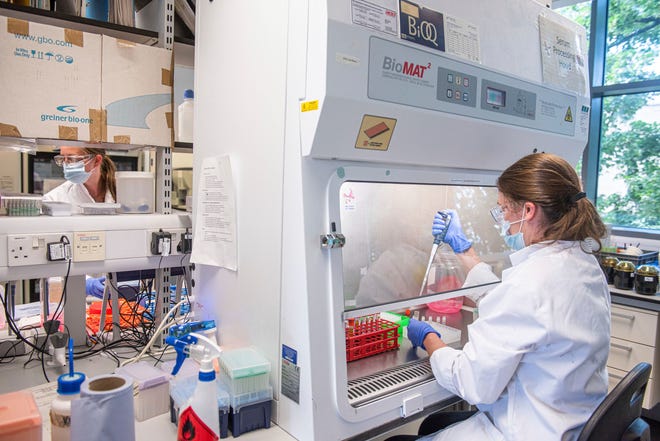
Messaging about vaccines needs to be direct and unambiguous, based in science rather than emotions or morality. In plain and clear language, unpack the following:
Trust: Message carriers
One consequence of the unfortunate politicization of the pandemic is a distrust in government. What this means strategically is that politicians and, sadly, public health officials, cannot be the only voices.
Vaccination communications must be delivered by trusted message carriers*. These messengers can be very localized or national. The encouraging work of the Ad Council, which just launched a $50 million fund for a national COVID-19 education effort, and the COVID Collaborative, a who’s who of leading experts in health, education and the economy, are so important in this regard.
Bridging the trust gap is the single biggest obstacle to the success of the largest vaccine development and vaccination effort in the history of the world. It also is something we know how to address through fundamental, but significant, strategic communications. With national efforts just beginning, localities and states need to lean in aggressively.
America failed at managing the spread of COVID-19. Nearly 270,000 U.S. citizens have died already. Time is not our ally as we fight this virus. Time is not our ally as we try to rebuild trust and encourage all individuals to get vaccinated.
This may be the most important communications challenge our world has ever faced. Let’s get it right.
Nicholas J. Vehr is CEO of Vehr Communications.
- How vaccines work
- How vaccines were developed
- Up-to-date distribution plans
Trust: Message carriers
One consequence of the unfortunate politicization of the pandemic is a distrust in government. What this means strategically is that politicians and, sadly, public health officials, cannot be the only voices.
Vaccination communications must be delivered by trusted message carriers*. These messengers can be very localized or national. The encouraging work of the Ad Council, which just launched a $50 million fund for a national COVID-19 education effort, and the COVID Collaborative, a who’s who of leading experts in health, education and the economy, are so important in this regard.
Bridging the trust gap is the single biggest obstacle to the success of the largest vaccine development and vaccination effort in the history of the world. It also is something we know how to address through fundamental, but significant, strategic communications. With national efforts just beginning, localities and states need to lean in aggressively.
America failed at managing the spread of COVID-19. Nearly 270,000 U.S. citizens have died already. Time is not our ally as we fight this virus. Time is not our ally as we try to rebuild trust and encourage all individuals to get vaccinated.
This may be the most important communications challenge our world has ever faced. Let’s get it right.
Nicholas J. Vehr is CEO of Vehr Communications.
*Nursing! https://news.gallup.com/poll/274673/nurses-continue-rate-highest-honesty-ethics.aspx
Labels: Cincinnati Enquirer, Nicholas J. Vehr, Nursing
posted by Juliana L'Heureux | 6:15 AM
|
0 comments

